IDA™ / UKHI INDIA PVT. LTD. — R&D DIVISIONFermented, marine-degradable Microbial Biomaterial
IDA is UKHI's next-generation material platform — a marine-biodegradable biomaterial engineered from agro-industrial waste sugars through a proprietary fermentation process, sitting above EcoGran's LCAR line for applications that demand marine biodegradability, food-contact certification and a premium tactile finish. This document is confidential and prepared exclusively for UKHI's stakeholders as IDA moves to market.
EcoGran's LCAR line wins on cost and industrial compostability. It does not biodegrade in open water. Microbial Biomaterial does — closing UKHI's only material gap.
EcoGran serves converters who need a cheap, drop-in, industrially-compostable line. It does not satisfy buyers who need marine and freshwater biodegradability — fishing gear, coastal FMCG, cosmetics, and EU/US brands under mounting microplastic-disclosure pressure. Microbial Biomaterial is the only naturally-occurring biomaterial that biodegrades across soil, home compost, industrial compost, fresh water and seawater without residue. Both benchmark producers we studied — Shellworks (UK, cosmetics/consumer) and Bluepha (China, foodservice/industrial) — have proven the commercial case in their respective verticals.
IDA is positioned as UKHI's premium tier, above EcoGran, for customers who need certified marine degradability or food-contact compliance EcoGran's PBAT/LCAR chemistry cannot reach on its own. Early-stage IDA volumes would likely blend with EcoGran LCAR in hybrid compounds to manage raw-material cost before a dedicated fermentation line reaches scale — mirroring how Bluepha blends Microbial Biomaterial into standard-series versus toughened-series product lines for different price points.
Cosmetics is IDA-R's lead vertical: buyers already pay for sustainability, and Microbial Biomaterial's gloss and heft read as premium, not "eco-compromise."
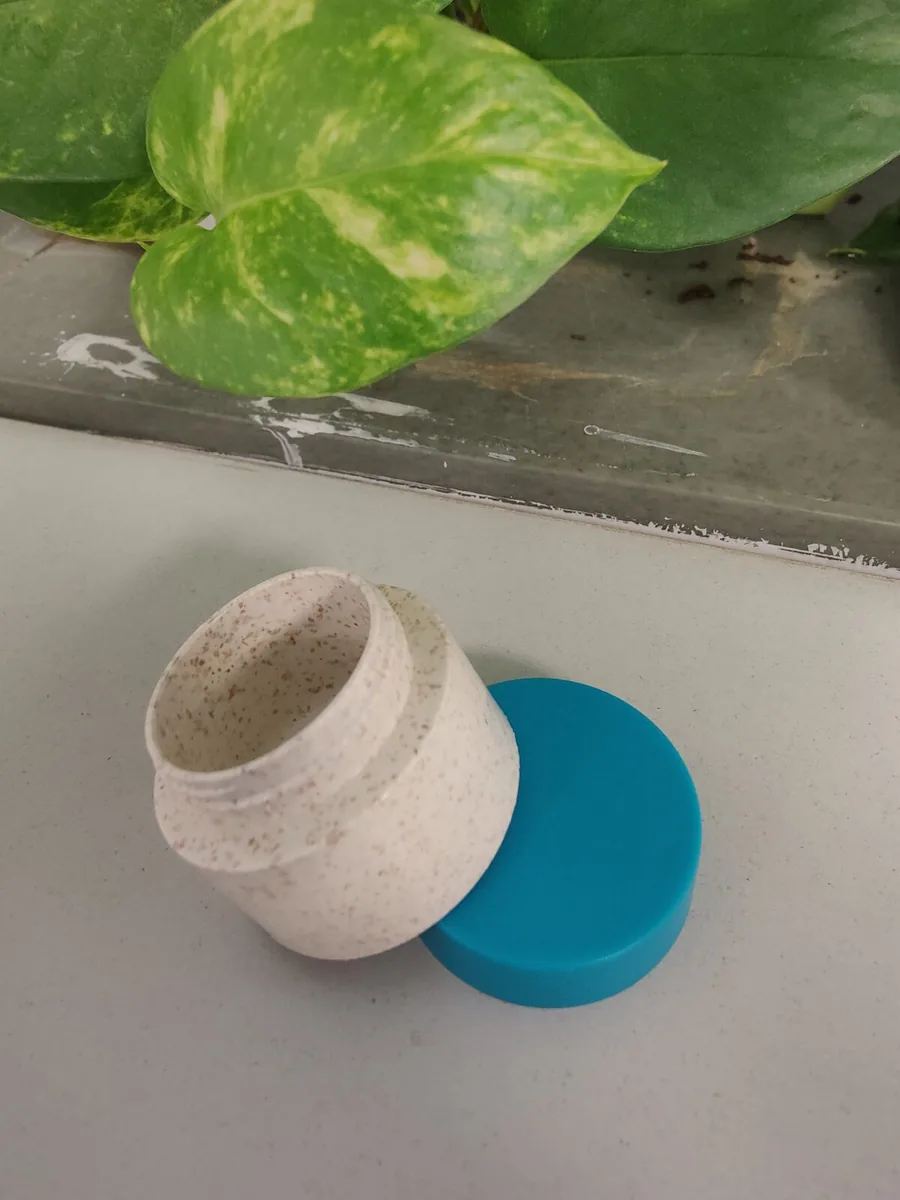
The IDA cosmetics range spans moulded rigid packaging and premium finishes engineered to the format bar set by category leaders (see also §05B) — each piece developed exclusively for UKHI, without reusing any other brand's product as IDA's own.
The performance and environmental advantages that set IDA apart from conventional plastic — engineered from the ground up and backed by the certification program in this dossier.
| Parameter | IDA (Microbial Biomaterial) | Synthetic — PP / PET / ABS |
|---|---|---|
| End-of-life fate | Microbially metabolised into biomass, CO₂ and water — no plastic fragment left behind. | Photo-degrades into smaller and smaller fragments (microplastics, then nanoplastics) that persist for decades. |
| Microplastic generation | None at end of life — Microbial Biomaterial is consumed as a food source by naturally occurring microbes rather than fragmenting. | Primary source of secondary microplastics found in soil, ocean sediment and drinking water studies. |
| Skin-contact chemistry | Formulated without phthalates, BPA or PFAS; food-contact compliance testing is ongoing (see spec sheets, §07). | Commonly relies on plasticiser (phthalate), stabiliser (BPA-adjacent) or fluoropolymer (PFAS) additive packages, several flagged by regulators as endocrine-disrupting. |
| Marine / soil impact | Designed to pass TÜV Austria OK biodegradable MARINE and SOIL — safe if it escapes the waste stream. | No natural degradation pathway in marine or soil environments within a human timescale; accumulates in food chains. |
| Feedstock origin | Fermented from agro-waste sugars — no virgin fossil feedstock. | Refined from crude oil / natural gas. |
| Mechanical performance | Engineered (see §03) to match PP/ABS stiffness and impact strength grade-for-grade. | Mature, well-characterised baseline — the bar IDA is formulated against. |
Raw Microbial Biomaterial is brittle and crystallises slowly — the two reasons most Microbial Biomaterial ventures stall before commercial launch. UKHI's R&D team has solved both, through proprietary engineering that stays behind closed doors.
IDA matches PP/ABS on elongation and impact strength — proprietary formulation, kept confidential.
IDA runs at industry-standard cycle times on existing injection-moulding lines — no retooling required.
Engineered to run on existing lines without a dedicated barrel profile, matching conventional plastic's ease of processing.
IDA leverages UKHI's existing EcoGran manufacturing footprint to hit competitive cost-per-kg from day one.
IDA-C delivers oxygen/moisture barrier as a thin coating over paper or EcoGran film, at a fraction of a full resin layer's cost.
ISO 9001-aligned quality control holds every IDA batch to spec — the consistency the category has been missing.
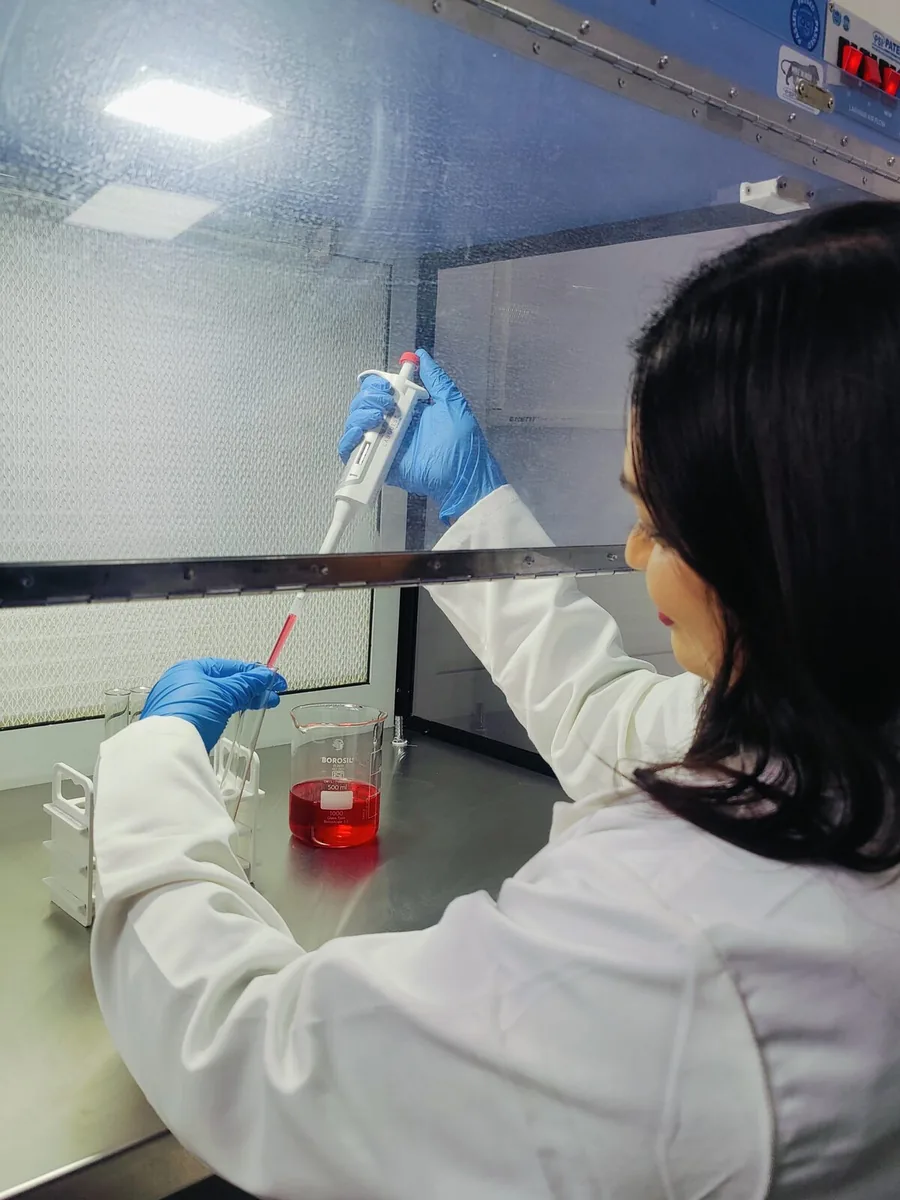
A proprietary, fully in-house process — from feedstock to finished granule — refined by UKHI's R&D team. Full technical detail is confidential.
Waste sugars, molasses, plant-oil residues and agro-processing by-products — non-food-grade, sourced to avoid land-use competition.
Microbial Biomaterial-accumulating bacterial strains grown in seed culture under controlled nutrient conditions.
Precision-controlled bioreactor conditions trigger cells to store Microbial Biomaterial as intracellular energy reserves — UKHI's core proprietary step.
Cell broth is separated from spent media; biomass concentrated ahead of extraction.
Proprietary purification brings the natural polymer to pharma-adjacent purity, using a solvent-minimal, green-solvent recovery approach.
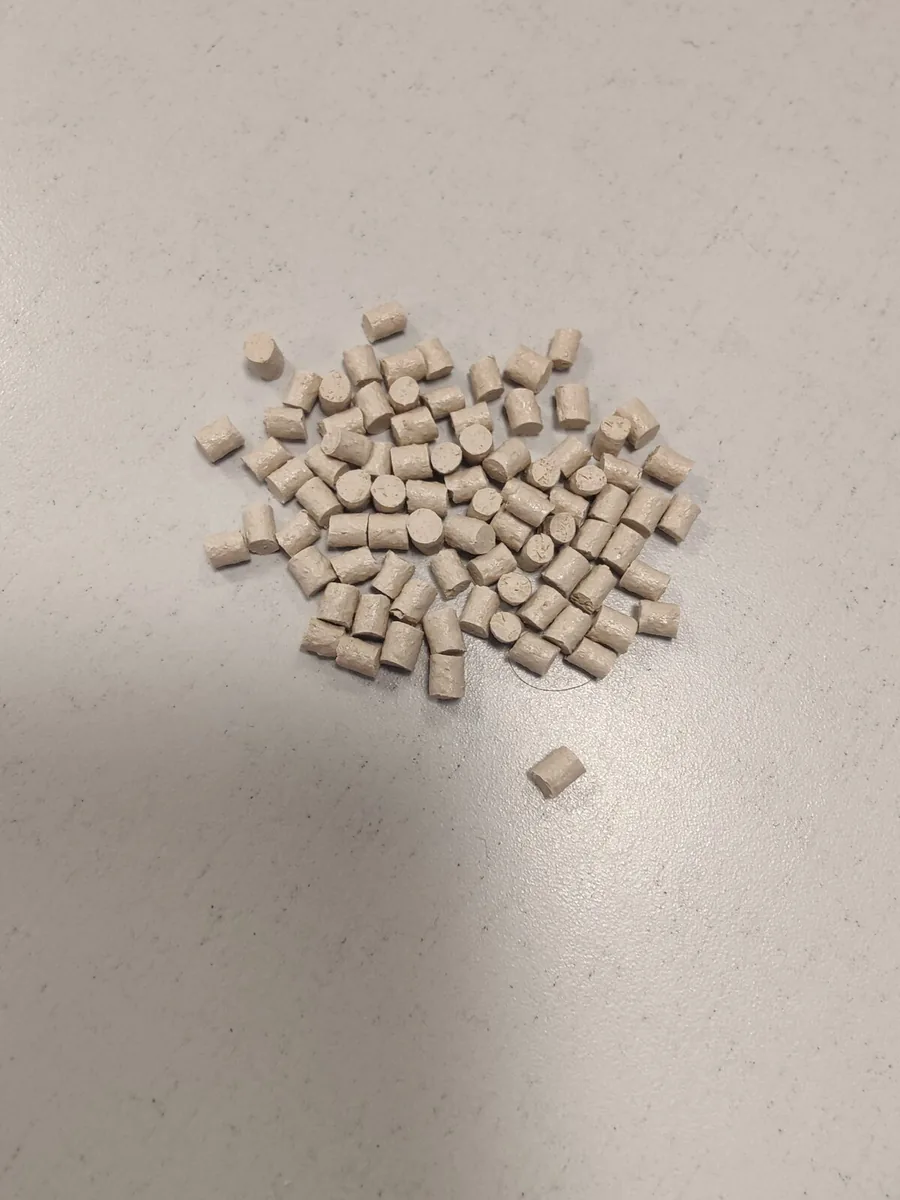
Purified Microbial Biomaterial is formulated with plasticisers/stabilisers and pelletised into IDA grade-specific granules, ready for standard plastic processing equipment.
Every stage above — feedstock to finished granule — runs on UKHI's own patented process, developed and proven in-house before scale-up.
This work has been carried out end-to-end — sugar hydrolysis, culture selection, fermentation, extraction and polymer characterisation — entirely in-house, under UKHI's own Lab to Market — UKHI's IP & Tech program.
Microbial Biomaterial's defining advantage over EcoGran's LCAR/PBAT chemistry: it breaks down without needing an industrial facility.
≥58°C, high humidity. ISO 17088 / EN 13432 disintegration within 90 days, full biodegradation by 180.
Ambient temperature, lower microbial density. Slower than industrial, still complete — a claim EcoGran's LCAR line cannot make at scale.
Natural soil microbiome metabolises Microbial Biomaterial directly as a carbon source — no engineered composting environment required.
The category-defining Microbial Biomaterial claim: naturally occurring marine and freshwater microbes metabolise Microbial Biomaterial in open water, unlike PLA or PBAT.
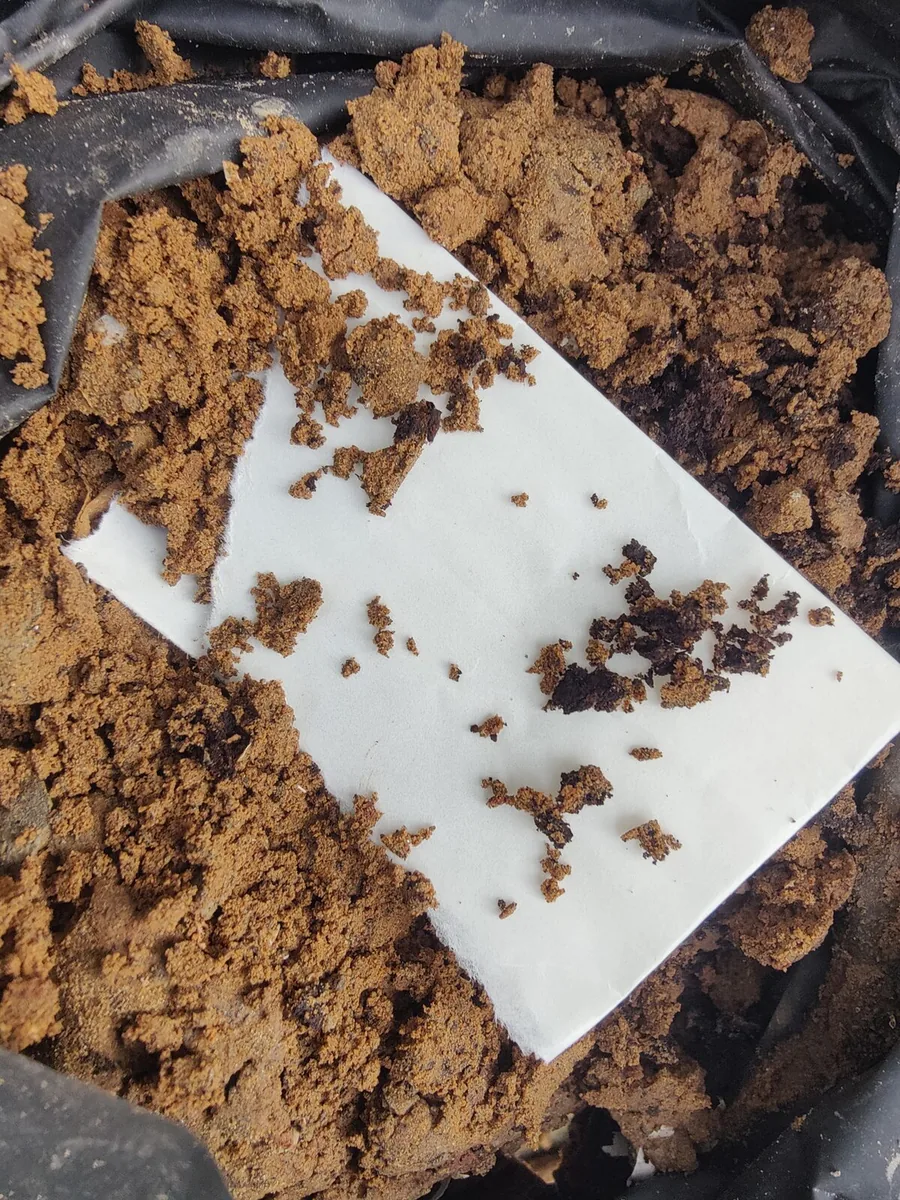
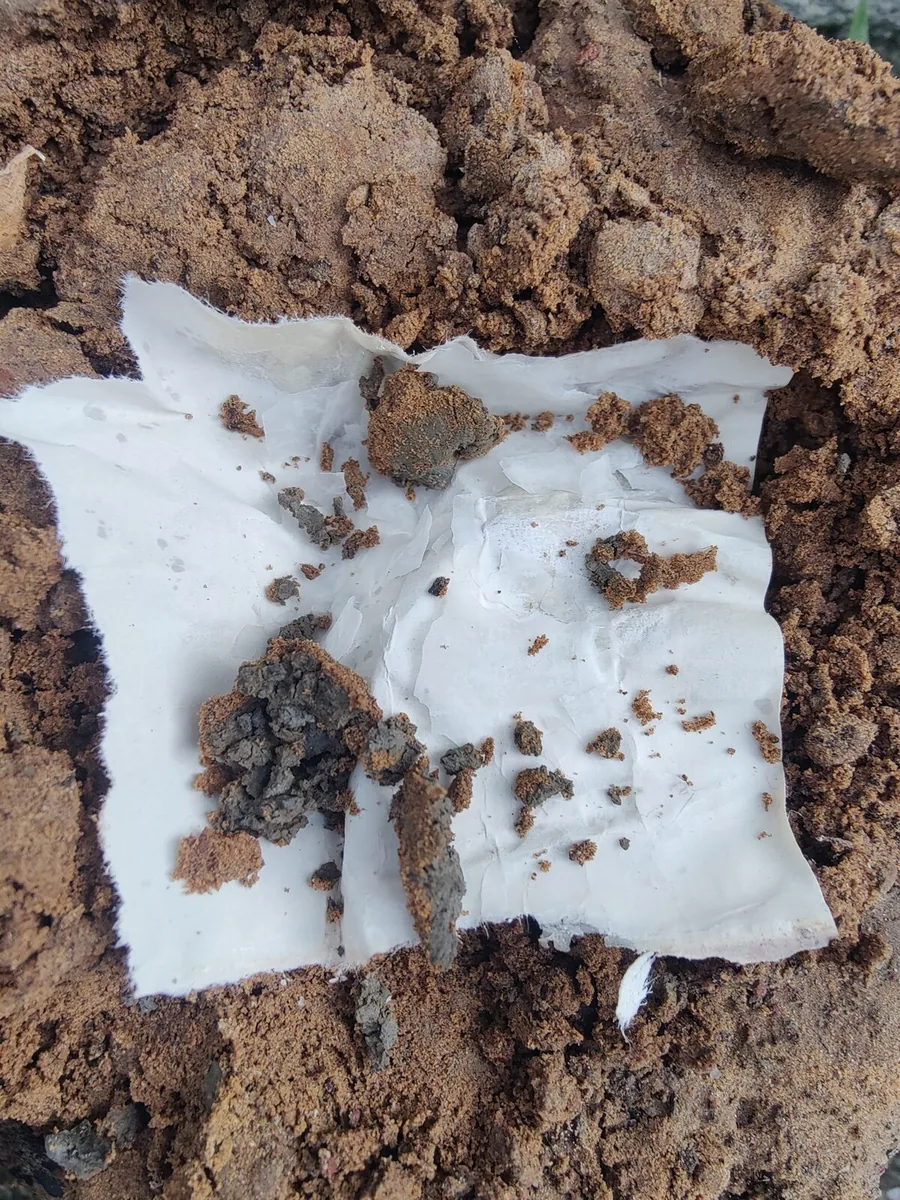
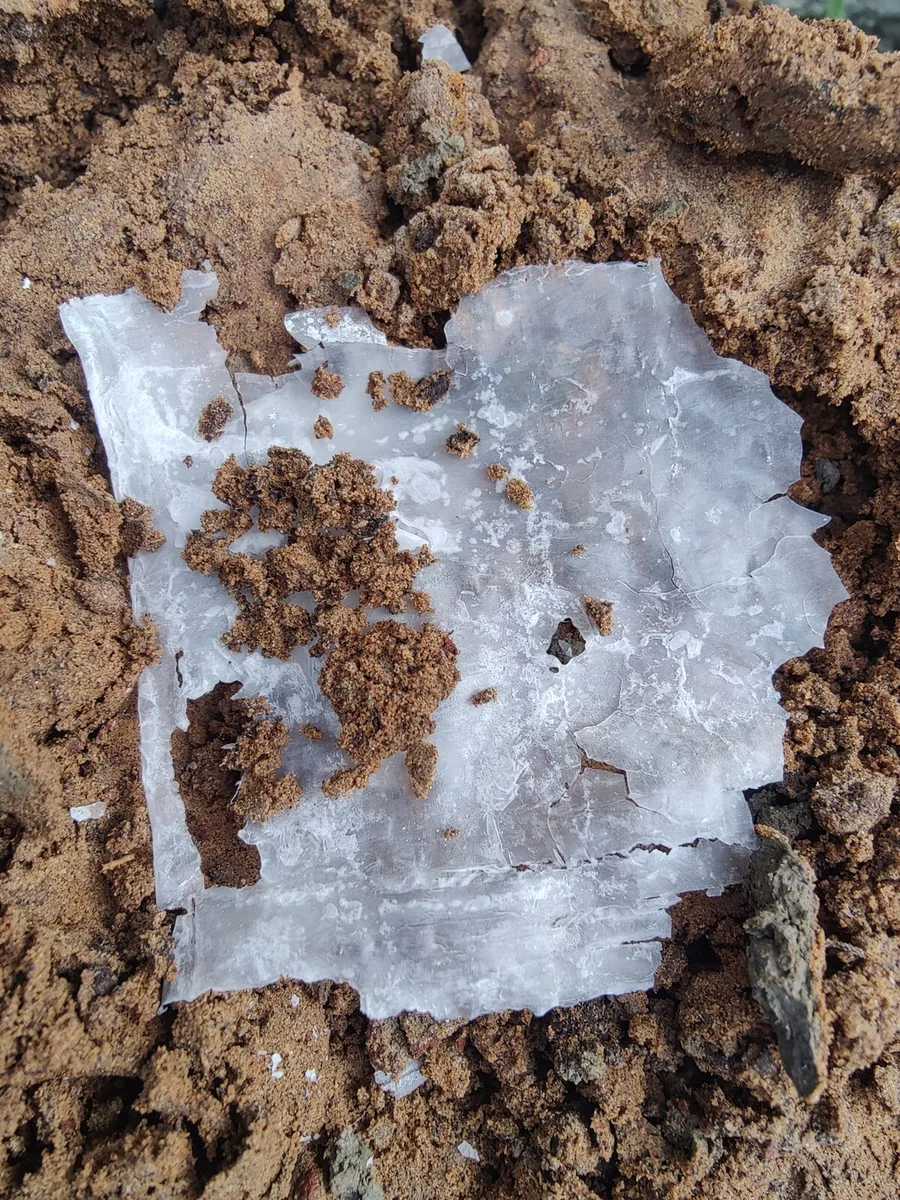
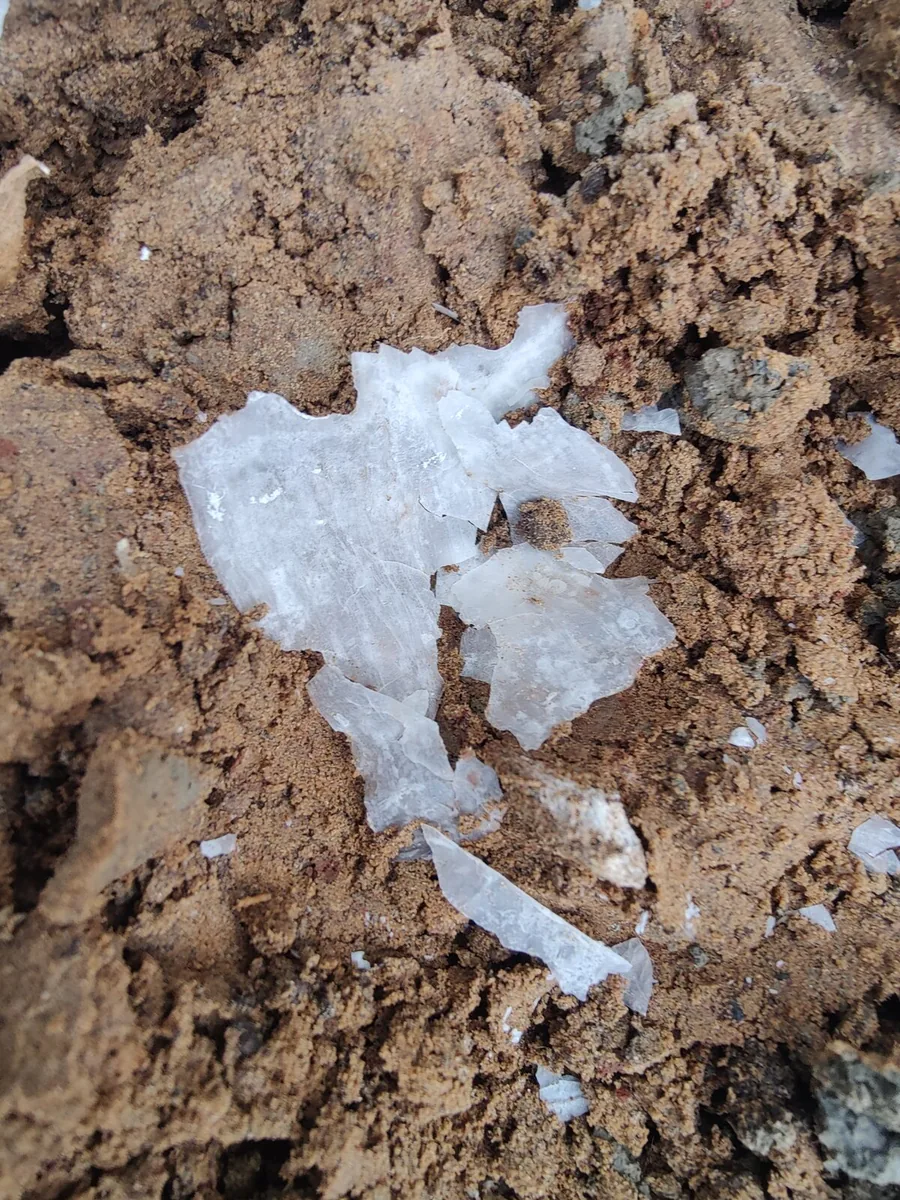
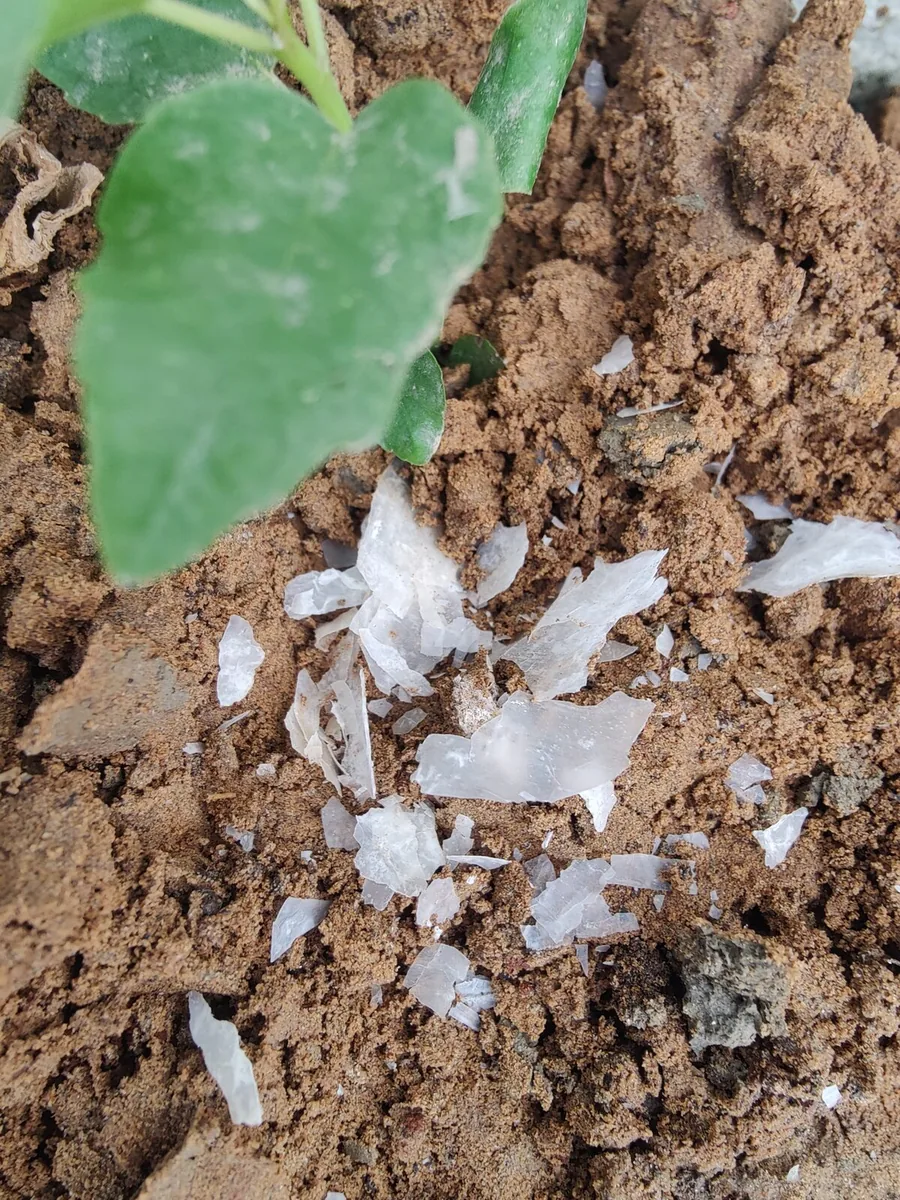
IDA FILM — SOIL BURIAL DEGRADATION SERIES, WEEKS 1–5 · UKHI R&D FIELD TRIAL


Field images show IDA film fragments recovered from buried soil plots over a 5-week window, alongside natural seedling growth in the same plot — full gravimetric mass-loss and disintegration data underpins UKHI's TÜV Austria OK biodegradable SOIL submission.
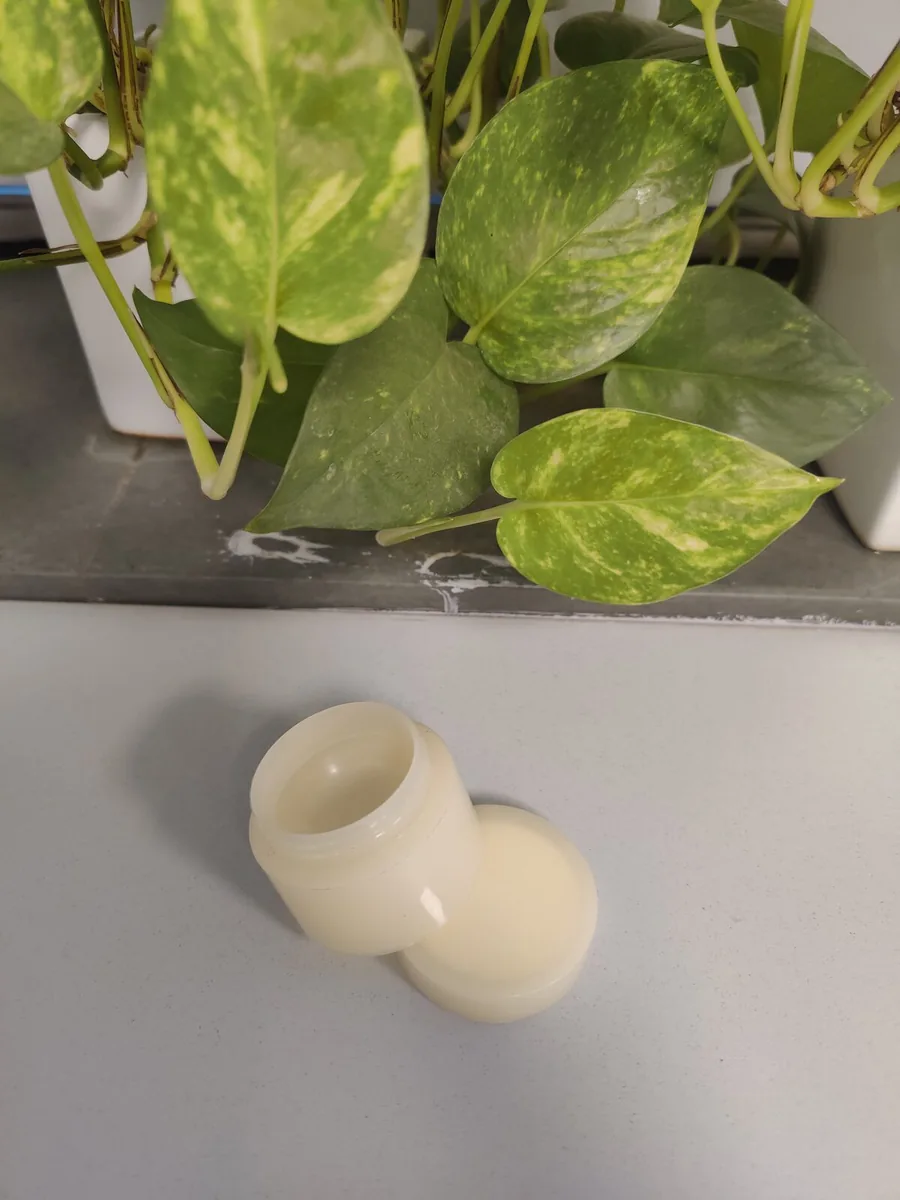
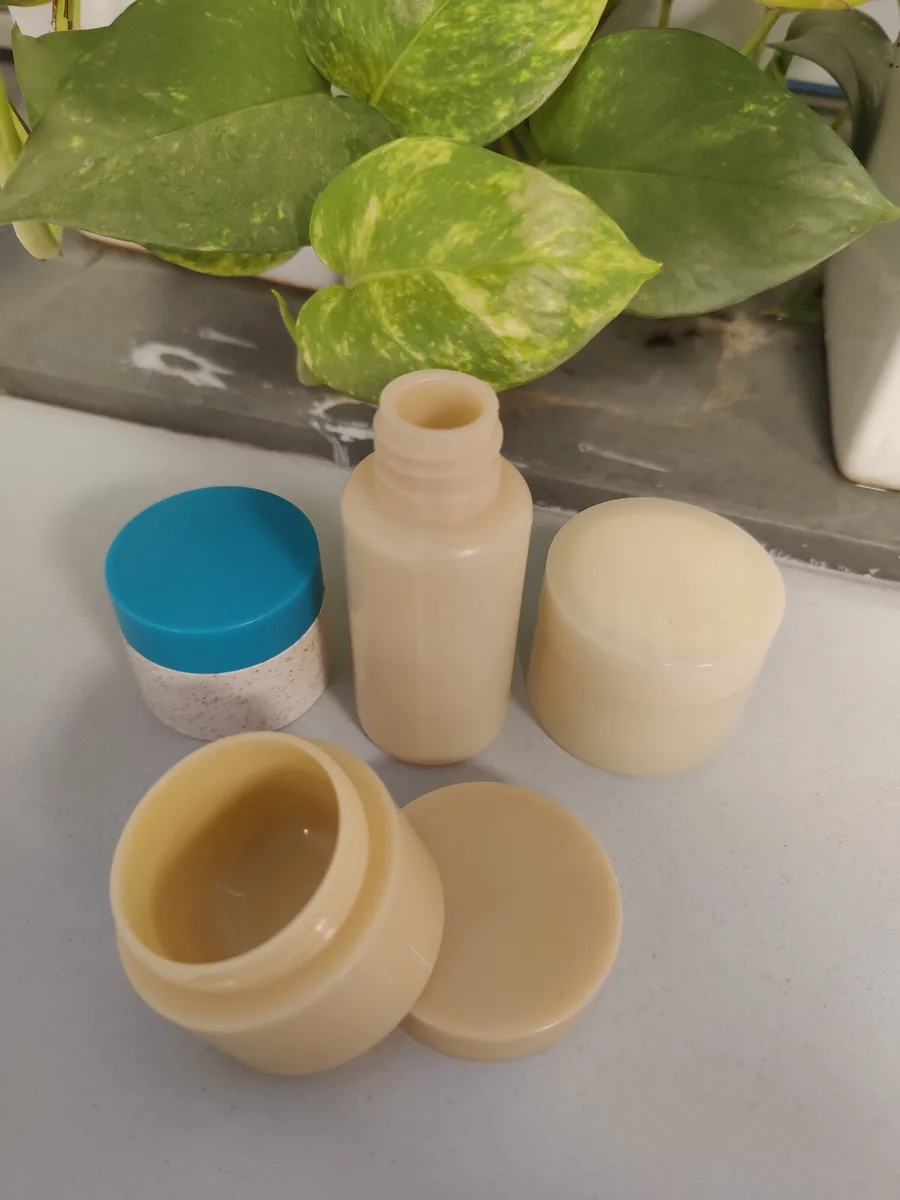
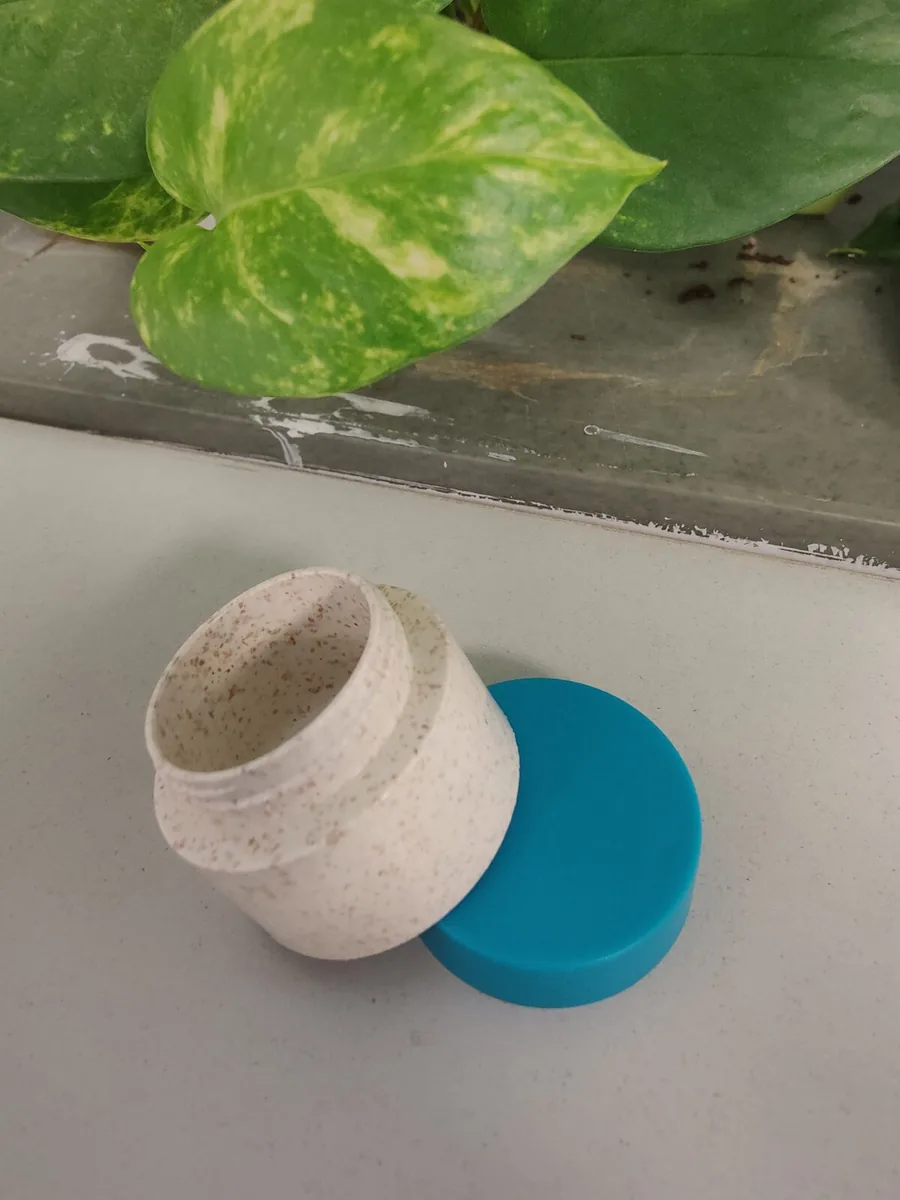
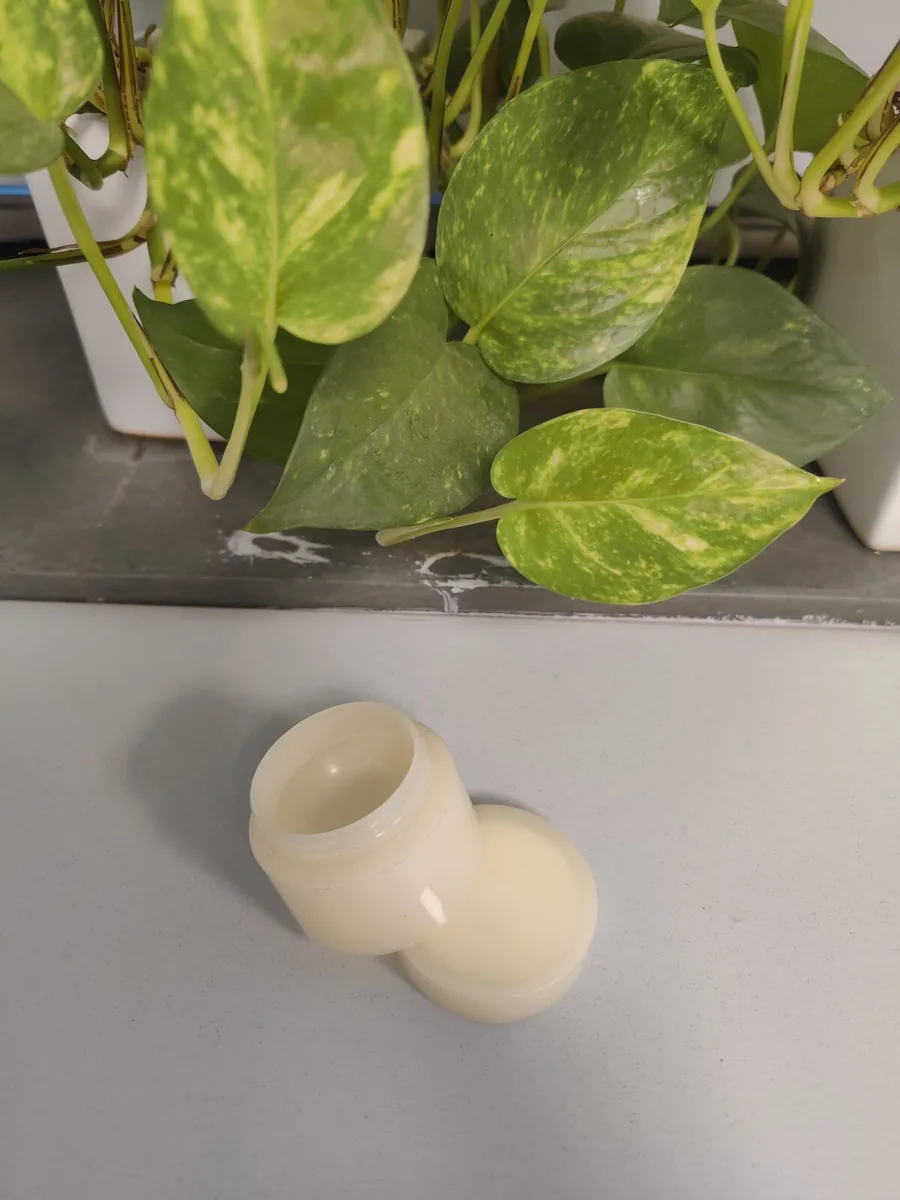
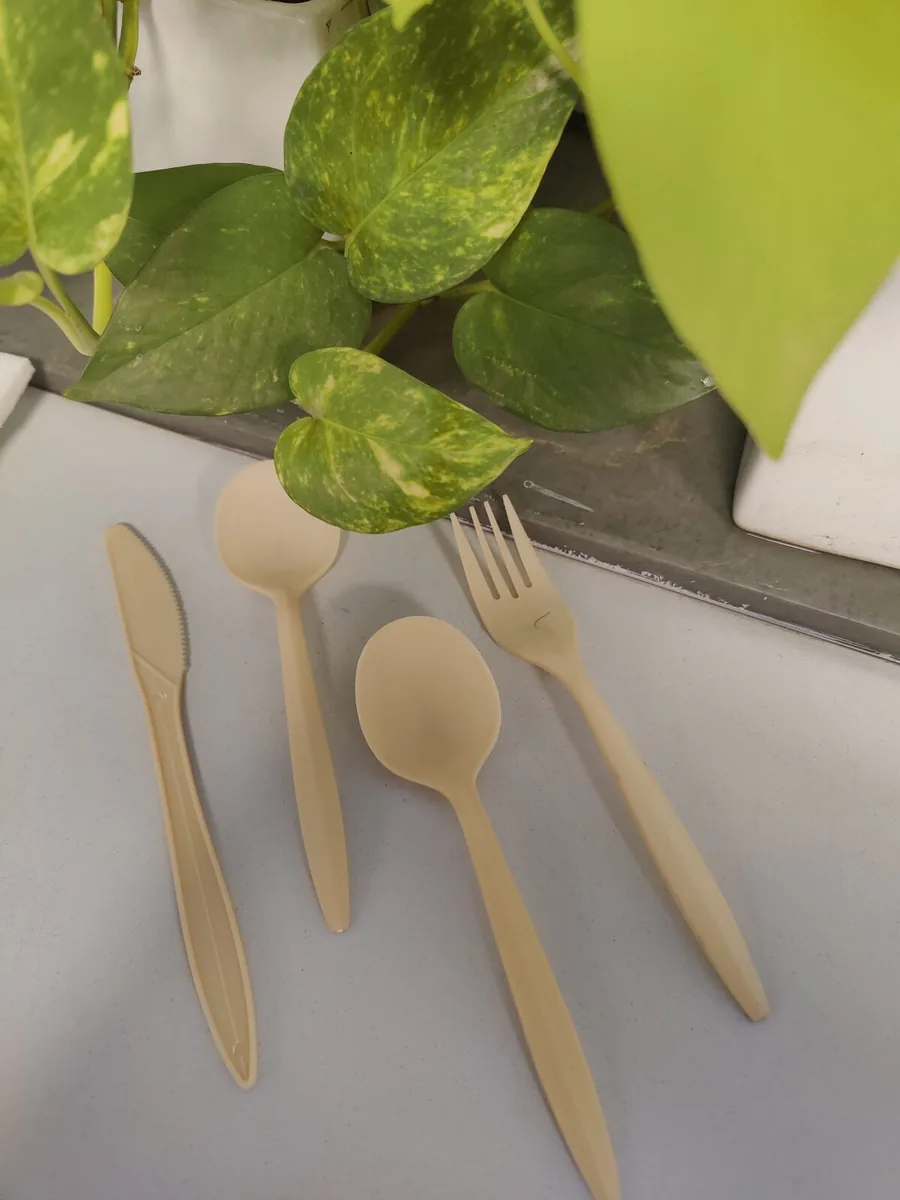
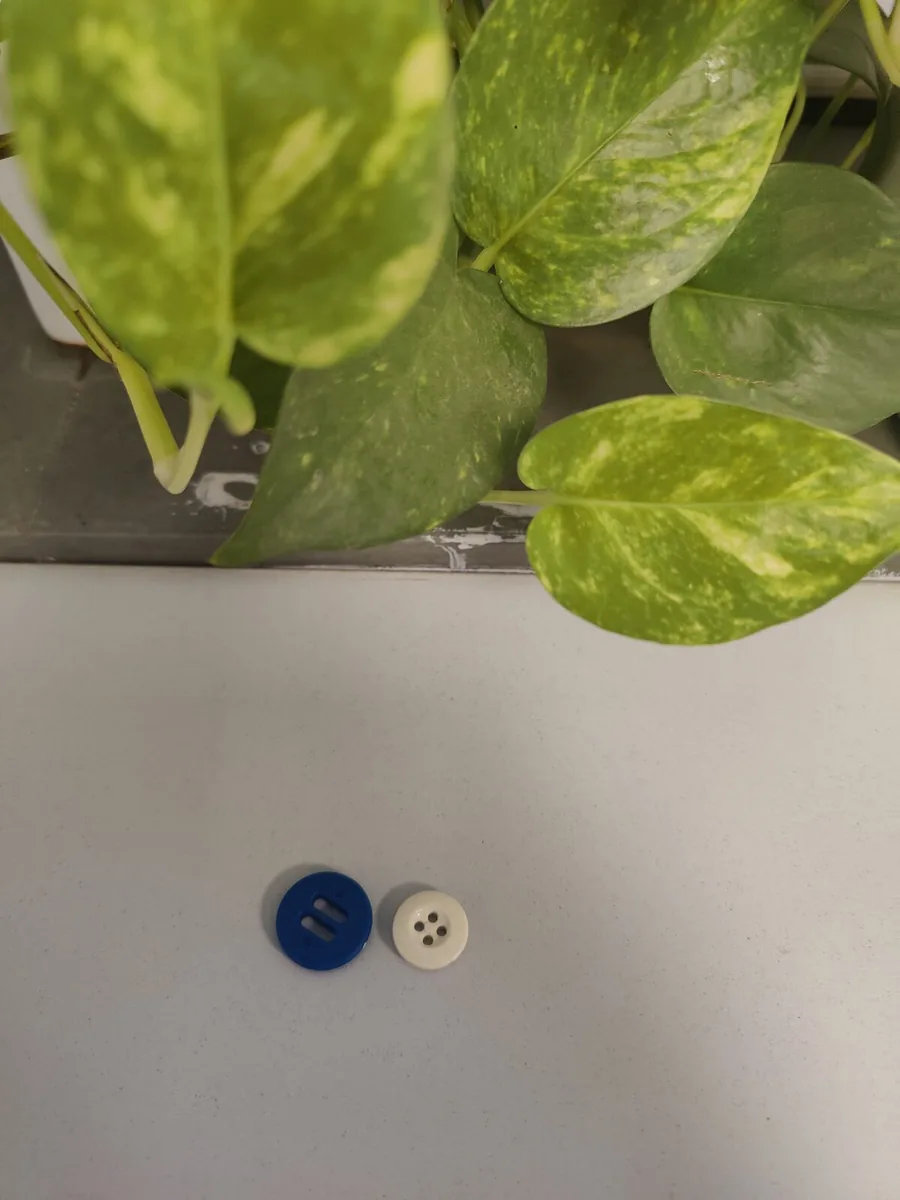
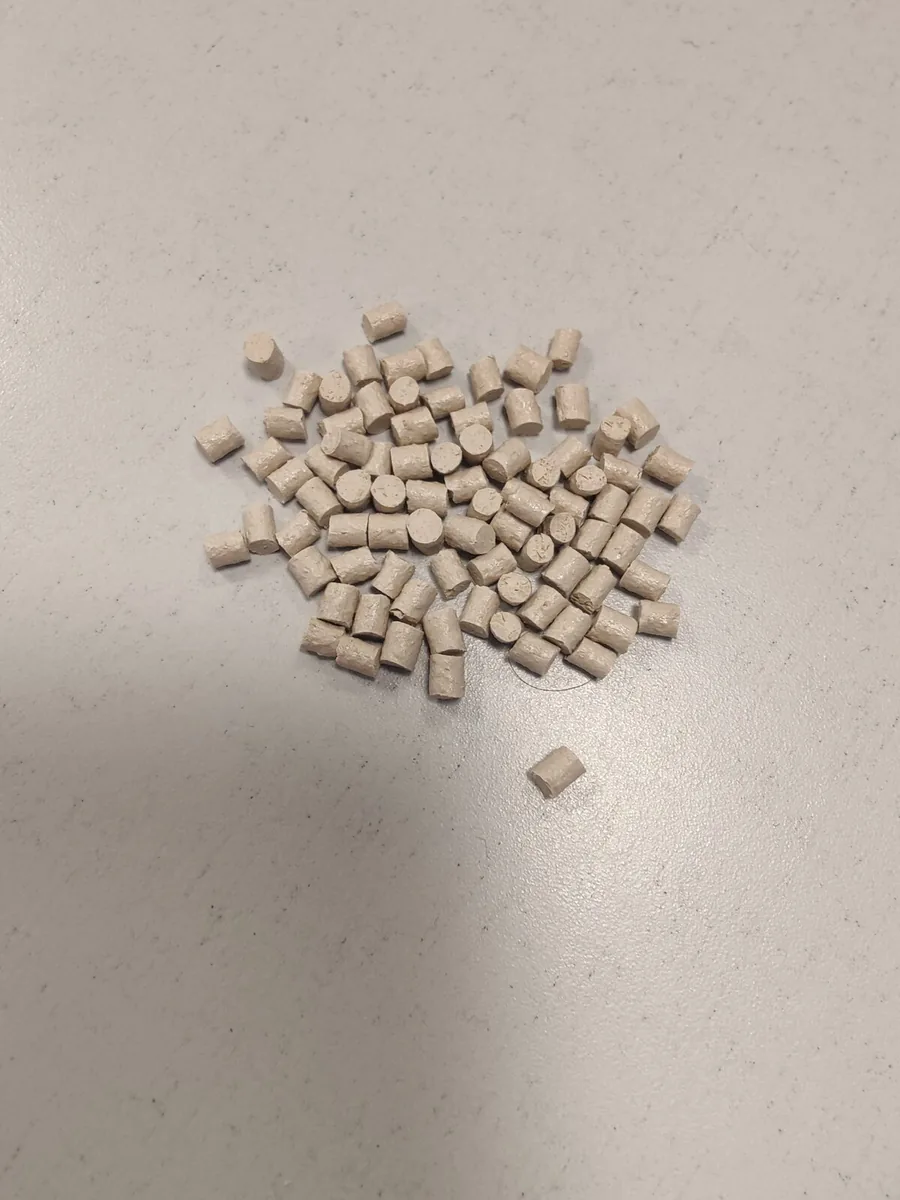
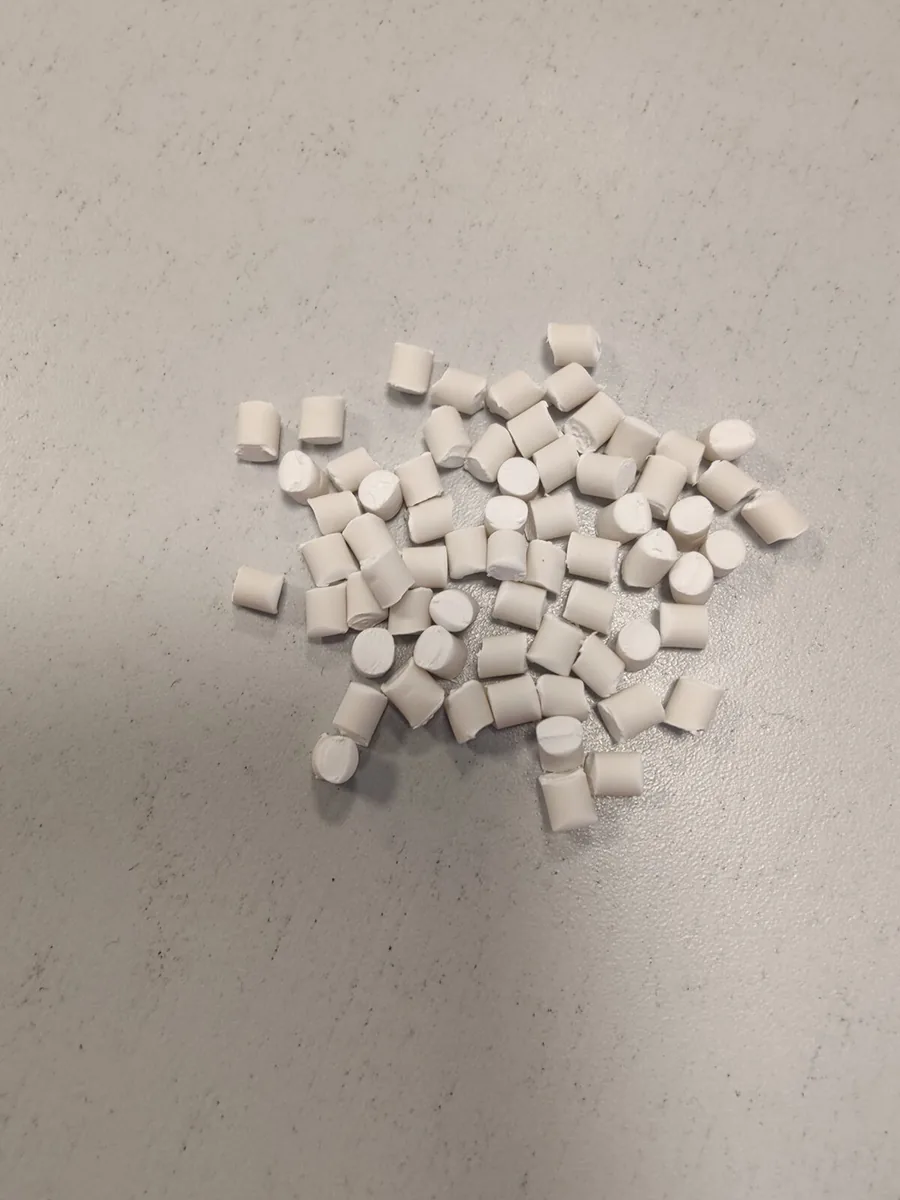
The finished output — pellets, moulded parts and formed articles — produced entirely in-house by UKHI's R&D team.
All items above are produced entirely in-house by UKHI R&D, demonstrating IDA's mould fidelity and manufacturing readiness for commercial rollout.
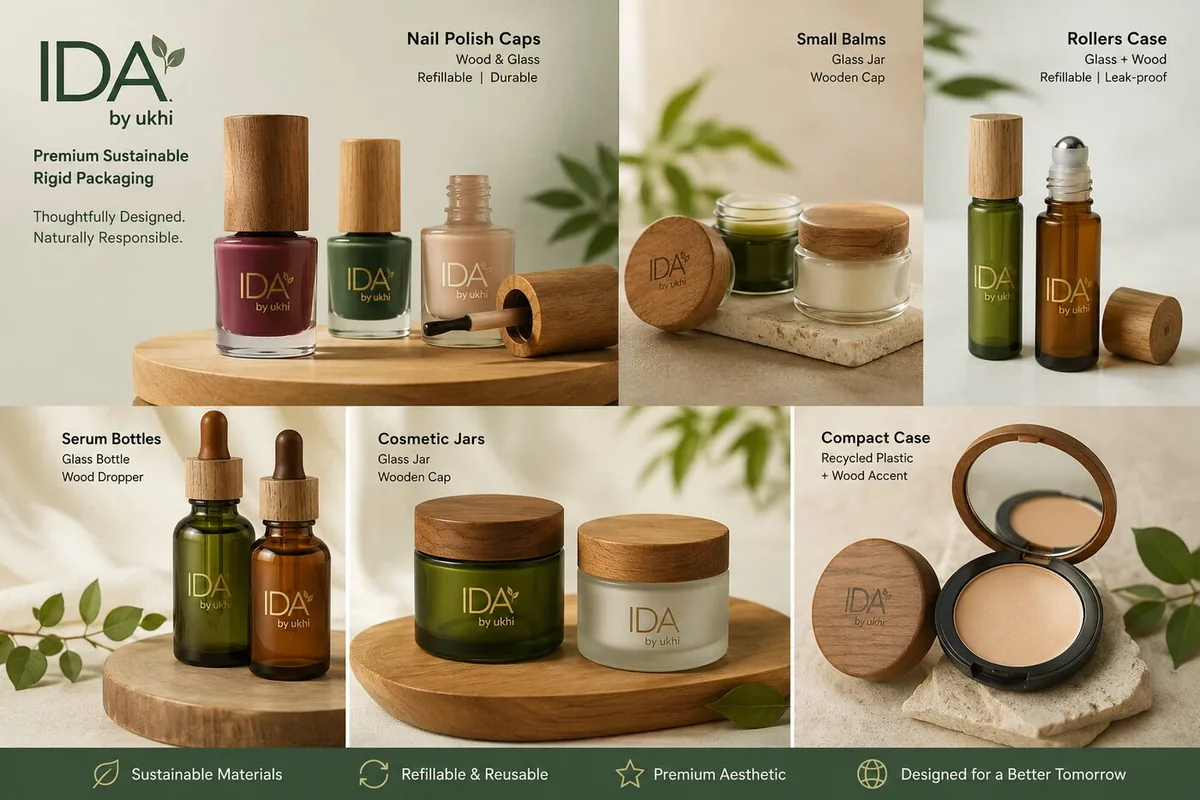
The next chapter of the IDA line: refillable, wood-accented rigid packaging engineered for cosmetics and personal care.
Sustainable, refillable rigid formats — wood-accented caps, glass jars, recycled-plastic compacts — engineered for the premium personal-care vertical named in §00.
Five grades, engineered under UKHI's proven EcoGran convention — each one built to outperform its synthetic equivalent.
Structural grade for jars, caps, closures and rigid injection-moulded parts. Two lab-scale variants developed to date.
Blown-film grade for shopping bags, takeout bags, and food-service pouches. Lower melt index for existing blown-film lines.
Thin-film coating for paper cups and food packaging — water/oil barrier for hot-drink and hot-food contact. Two lab-scale variants developed to date.
Soft-touch grade for cap liners and gaskets — reliable seal without added coatings, matched to IDA-R closures.
Staple fibre / nonwoven grade with natural antibacterial character — target for hygiene, textile and marine-exposure applications.
IDA-C extends UKHI's existing LCAR-E paper-coating expertise into higher-barrier, higher-value sachet formats.
UKHI's LCAR-E extrusion-coating resin already forms ultra-thin barrier layers on paper for cups, straws and bagasse. IDA-C targets the tier above it — flexible multi-wall paper sachets and pouches that need a stronger moisture/oil barrier and a fully marine-safe end-of-life claim, for categories such as tea and coffee sachets, spice and condiment pouches, single-serve pharma paper strips, and FMCG sample sachets.
IDA-C is positioned for high-value sachet and pouch formats — tea and coffee sachets, spice and condiment pouches, single-serve pharma strips, and FMCG sample sachets — wherever a stronger moisture/oil barrier and a fully marine-safe end-of-life claim are required.
The credibility layer behind every IDA claim — validated against the industry's most rigorous third-party standards.
Industrial compostability at ≥58°C. Required baseline claim for IDA's launch grades.
Ambient-temperature home compostability — the claim that differentiates IDA from EcoGran's LCAR line.
The category-defining certification for Microbial Biomaterial as a material class; non-negotiable for IDA's positioning.
Soil biodegradation proof for agricultural film and fibre applications.
Compostability standard already met by EcoGran LCAR — process controls extend directly to IDA pilot batches.
Food-contact clearance, direct and indirect — required for IDA-R (jars/caps) and IDA-C (paper coating).
Radiocarbon-verified biobased carbon percentage, to substantiate marketing and EPR-fee-reduction claims.
Quality-management system for the fermentation line and downstream compounding.
The market gap IDA is built to close — real, urgent, and still under-supplied.
IDA's fermentation feedstock — molasses, agro-processing waste sugars, plant-oil residues — draws on the same smallholder supply chain UKHI already built for EcoGran, extending farmer income streams rather than requiring a new one.
EcoGran wins the cost-sensitive, industrial-compost buyer. IDA wins the certification-sensitive, marine-claim buyer — cosmetics, coastal FMCG, EU/US export accounts under microplastic-disclosure pressure. Together they cover the full compostability spectrum a converter might ask for in one RFQ.
UKHI's growth roadmap for IDA — from national launch to global scale.
IDA enters the market across UKHI's cosmetics and FMCG partner network, backed by in-house fermentation capacity and UKHI's proprietary strain library.
Expansion of UKHI's Faridabad fermentation facility to meet national demand across the IDA-R and IDA-F grades, with continuous disintegration validation across industrial, home, soil and marine environments.
TÜV Austria OK compost INDUSTRIAL/HOME and OK biodegradable MARINE/SOIL, alongside FDA/EU food-contact clearance for IDA-R and IDA-C — unlocking export markets.
Scaling IDA alongside EcoGran into coastal FMCG, cosmetics and export packaging markets worldwide.